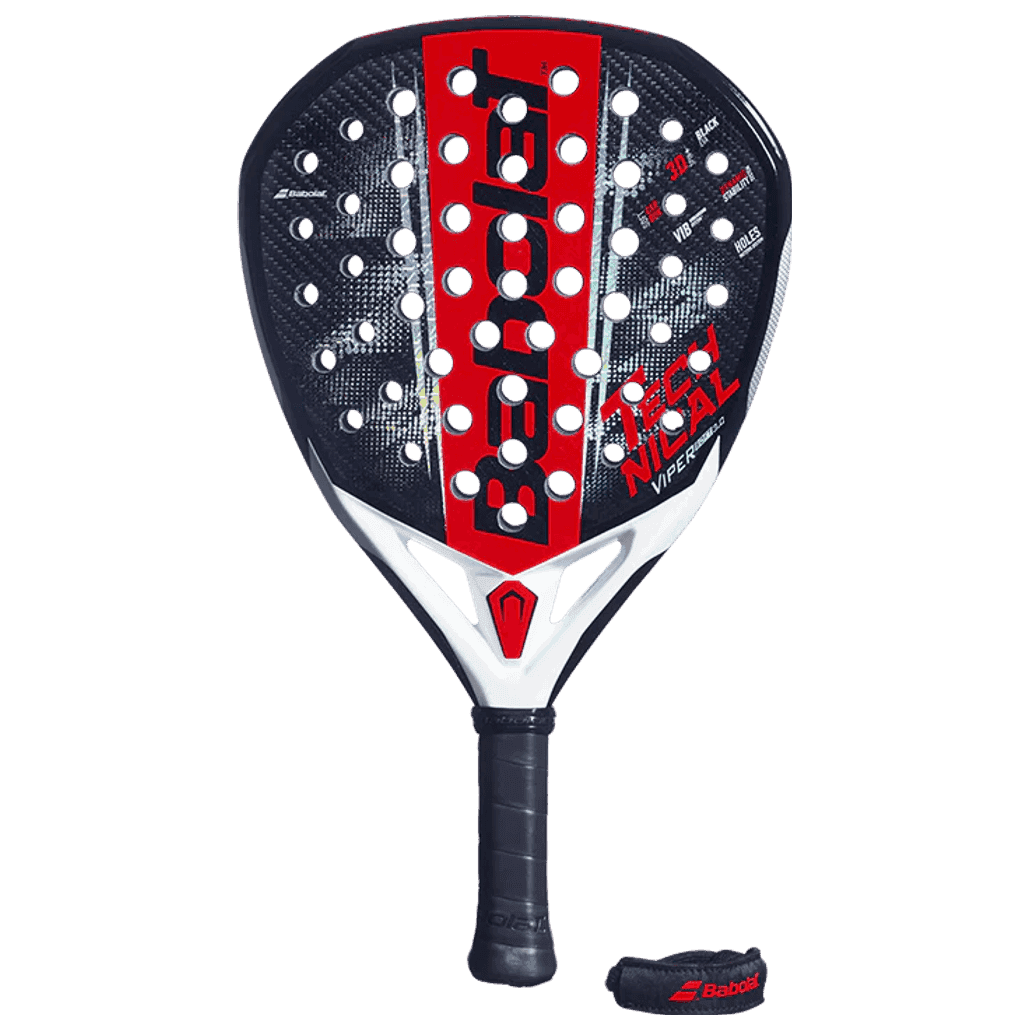
Babolat Technical Viper Soft 3.0 2026
A diamond racket with serious bite, softer impact than the classic Viper, and enough forgiveness to stay usable when the pace rises.
Shape
Diamond
Weight
355 - 375 gr
Touch
Hard
Core
Black EVA
Faces
Soft Carbon
Frame
100% Carbon
What we like
- Easy ball output
- Forgiving sweet spot
- Lively net response
What we don't
- Lazy swings lack depth
- Off-center hits punished
- Head-heavy setup tires arm


Updated on 29 Jul (shipping cost not calculated)


Updated on 29 Jul (shipping cost not calculated)
Are you a store owner? Join our platform to be featured here.
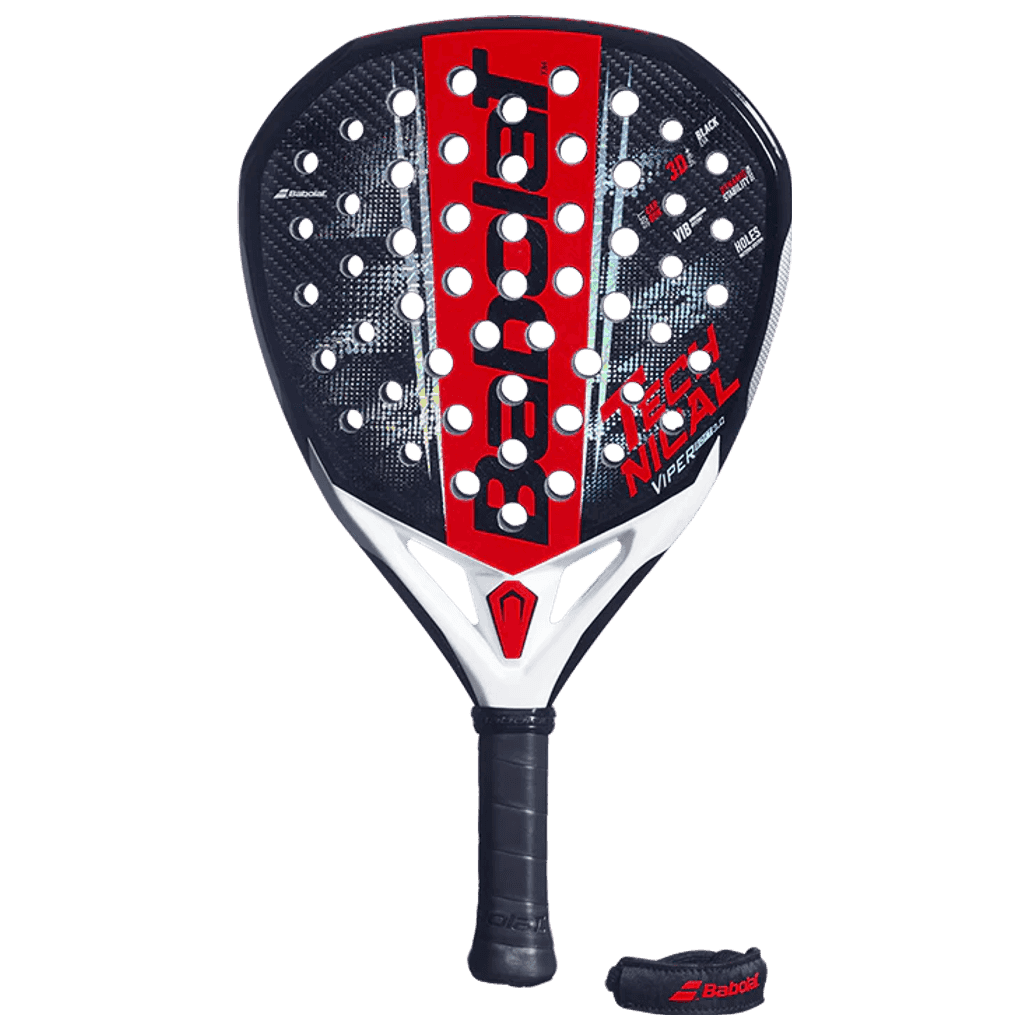
The Babolat Technical Viper Soft 3.0 2026 is still an attacking diamond first and foremost, but it does not play like a brute. I get a power-first racket with a softer, more accessible response than the classic Viper line, which matters a lot once the rallies get long.
It asks for an aggressive mindset, though. If you want a racket that hands out easy depth on lazy swings, this is not that. The reward is strong ball output, a forgiving sweet spot for the category, and a feel that is less punishing on contact than the sharper versions of this mold.
Technical analysis
Shape & balance
The diamond shape and head-heavy balance set the tone immediately. This is built to live above shoulder height, especially when I’m looking to finish or put pressure on the net. It does not disguise its intent.
That said, the balance is part of the trade-off. I can move it well enough, but it is not a fast hands racket. Over a long match, the head-weighted setup can start to show, especially if I’m defending a lot or constantly absorbing pace.
Materials & construction
Babolat uses a 100% Carbon frame with Soft Carbon faces and a Black EVA core, and that combination explains the feel pretty well. The impact is firmer than the word “Soft” might suggest, but it is noticeably less harsh than a more demanding Technical Viper setup.
What I notice most is the rebound. The ball comes off with real ease for an attacking racket, yet clean contact still matters a lot. The face does not rescue sloppy preparation, and off-center hits are more obvious here than they would be on a rounder, more forgiving racket.
On-court feel
Baseline play
From the baseline, this racket gives me easy depth without feeling wild. Defensive lobs come out with good height and carry, and blocks are stable if I set the face early. That said, it is still happiest when I’m active. Passive defense is not its favorite job.
The softer impact helps on off-the-wall play too. I can work the ball out of the back court with less strain than on a classic hard power racket, but I still need proper timing. It rewards preparation more than improvisation.
At the net
At the net, the Technical Viper Soft feels dangerous in a very direct way. Volleys have a lively response, plenty of pace, and enough control to keep pressure on the opponent without spraying the ball. It has that aggressive Babolat feel, just with a slightly more usable window.
Where it loses some points is forgiveness. If I get lazy or hit late, the racket does not hide it. But when my prep is clean, the result is sharp and controlled.
Bandeja and víbora
This is probably where the racket’s identity makes the most sense outside the smash. The bandeja comes out with solid penetration and good depth, while the víbora has enough bite to force errors. I like the way it lets me accelerate without the contact feeling boardy.
It is not the easiest racket for touch-heavy slices, though. If your game depends on soft manipulation and constant finesse, there are calmer options.
Smash
On the smash, the power is there. More importantly, it arrives without the brutal stiffness that can make long matches miserable. I can finish with authority, and the racket helps me create a heavy ball when I swing through properly.
Still, it does not give free power. I have to bring the speed myself. That is the real story here.
Conclusion
This is a racket for offensive players who want a serious attacking tool but do not want the harshest version of the formula. It gives me high output, a solid sweet spot for the category, and better comfort than the hard-edged Technical Viper profile.
What I give up is forgiveness on mishits and easy handling under pressure. Defensive players, or anyone looking for a softer all-court feel, should probably look elsewhere. If your game is built around pressing at the net, finishing points, and living with a head-heavy diamond, this one makes a lot of sense.
What other reviewers say
- PadelTestLaben
The racket is presented as a power-first diamond with a surprisingly forgiving sweet spot and easy ball output for its class. The trade-off is that its head-heavy setup can tire the arm over long matches, and it is not aimed at defensive players who want a firmer, crisper feel.
- Padel Passionfr
The review treats it as an attack racket with explosive pace on volleys and smashes, but with a softer, less harsh impact than a classic Viper. It also notes strong precision when you swing cleanly, while off-center hits are punished more than on rounder, more all-court rackets.
- PadelScouten
The review argues that this is still an advanced attacking racket with strong ball output and controlled behavior at the net. Its less forgiving side is that, while easier to handle than some diamonds, it still demands good prep and does not hand out free power on lazy swings.
- padelracket.reviewen
The racket is framed as a refined version of Babolat’s attacking formula: it keeps high power, but with a more controlled rebound and a less brutal feel that helps comfort on defense and blocks. The downside is that it still needs real swing speed to produce depth, and the face texture will not rescue poor technique.
Switch Intelligence
Be the first to share where you switched from.
Community reviews
Real feedback from players who used this racket.
1 review

Add your review
To submit your review, log in first. You can still read all approved community reviews below.
Add review