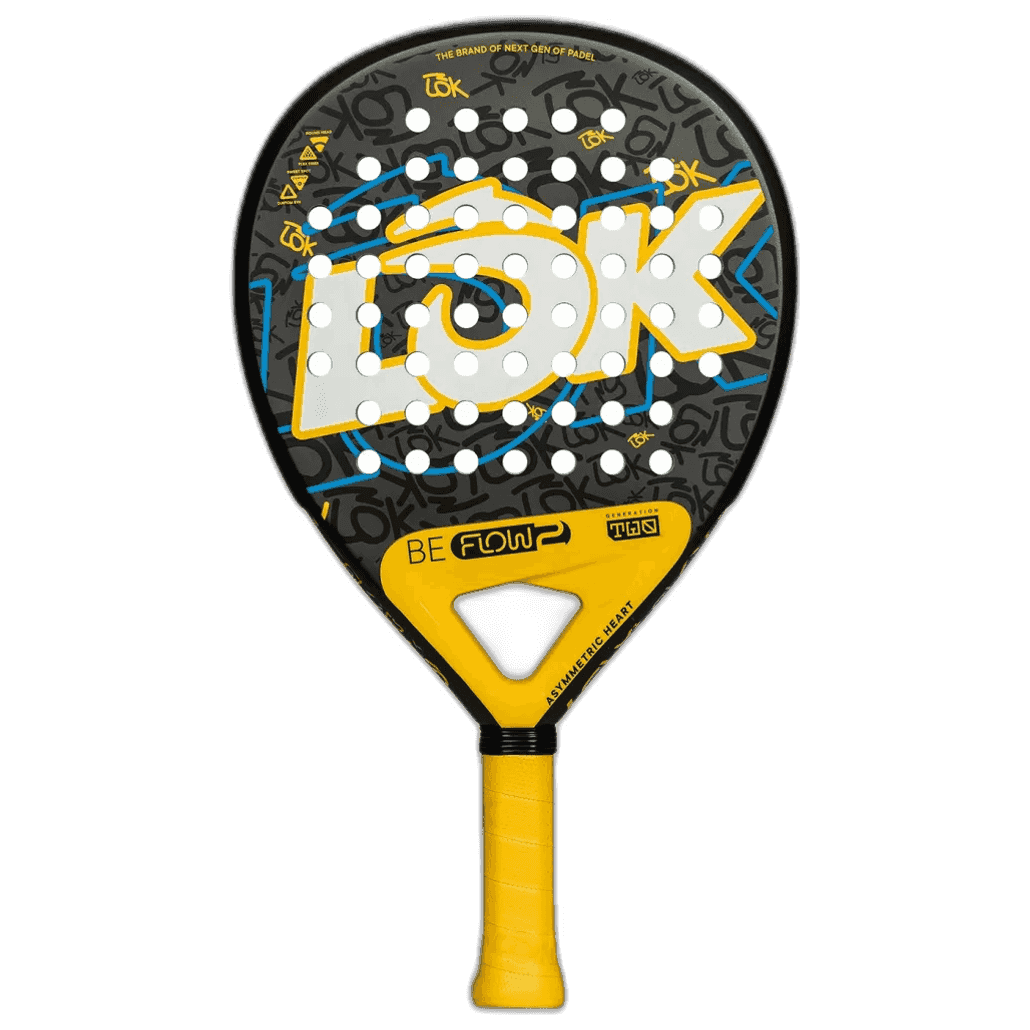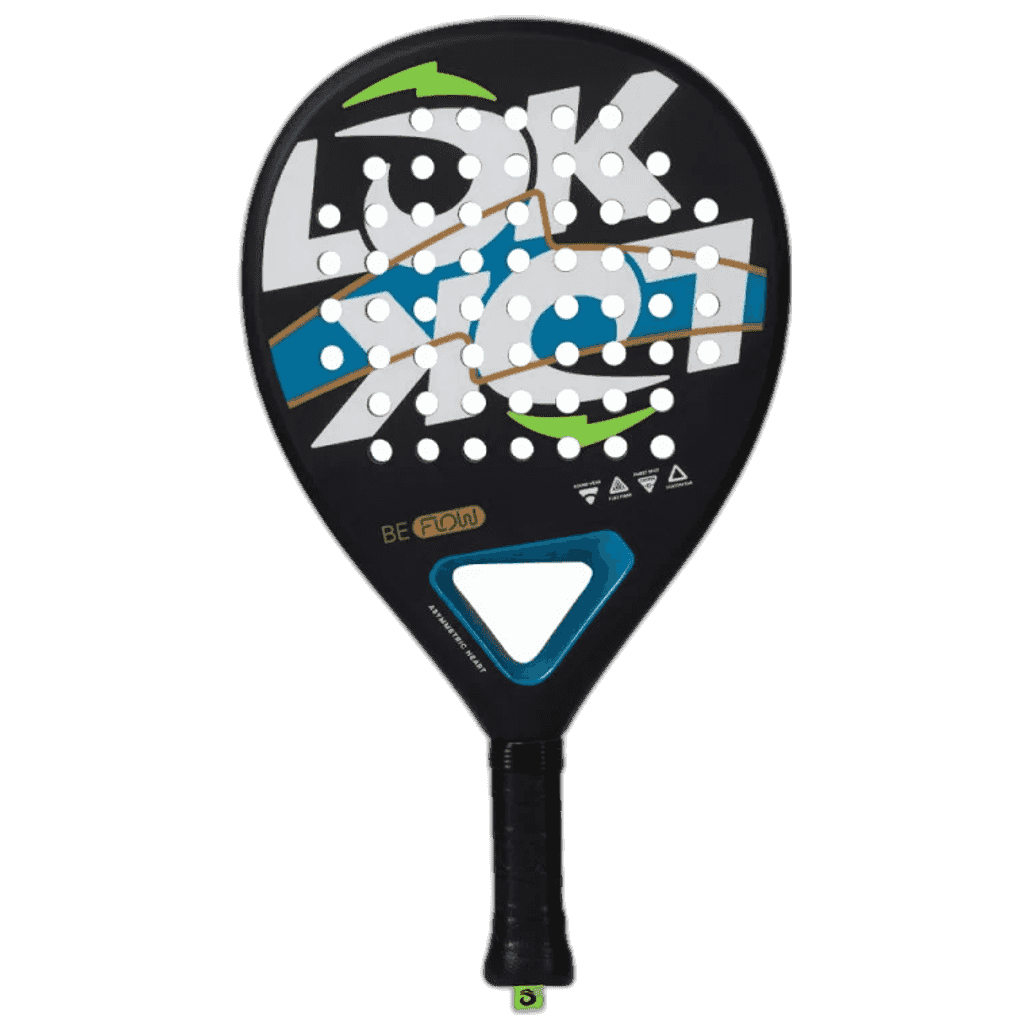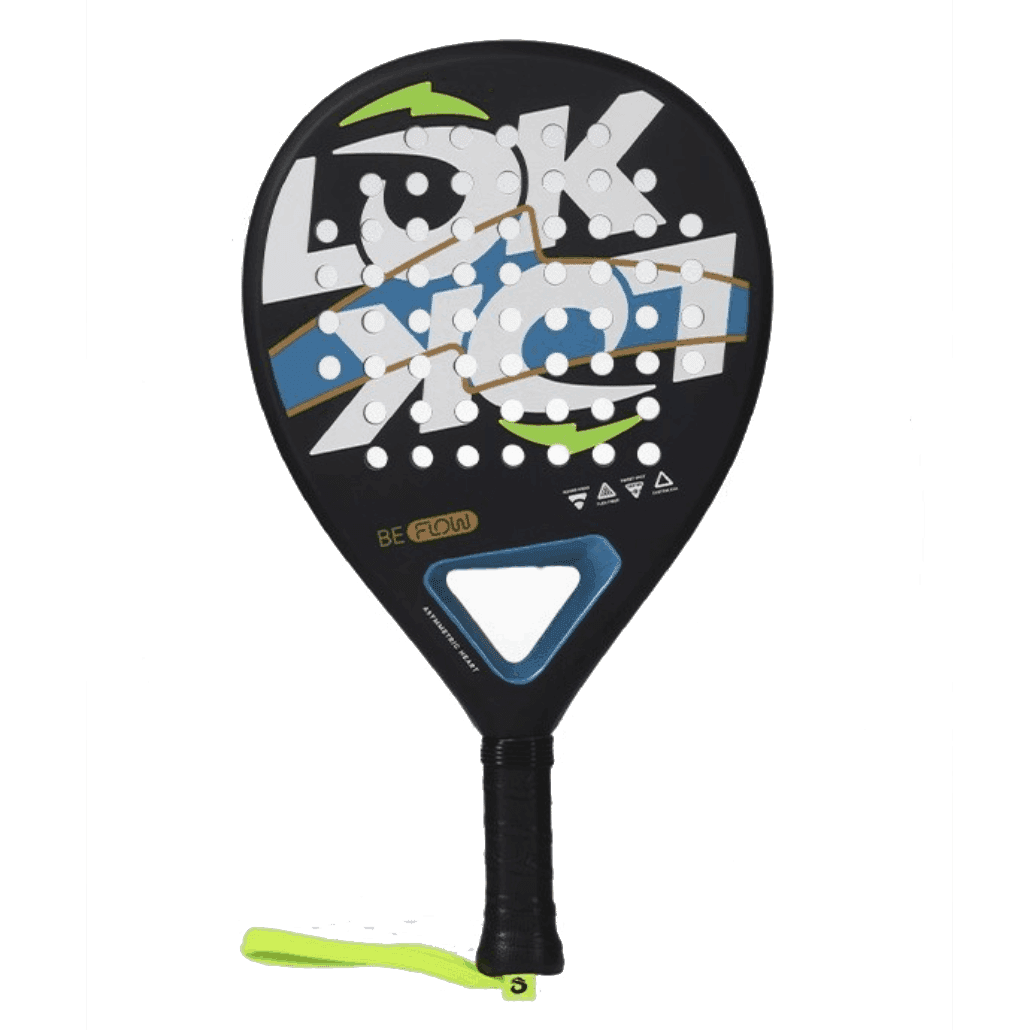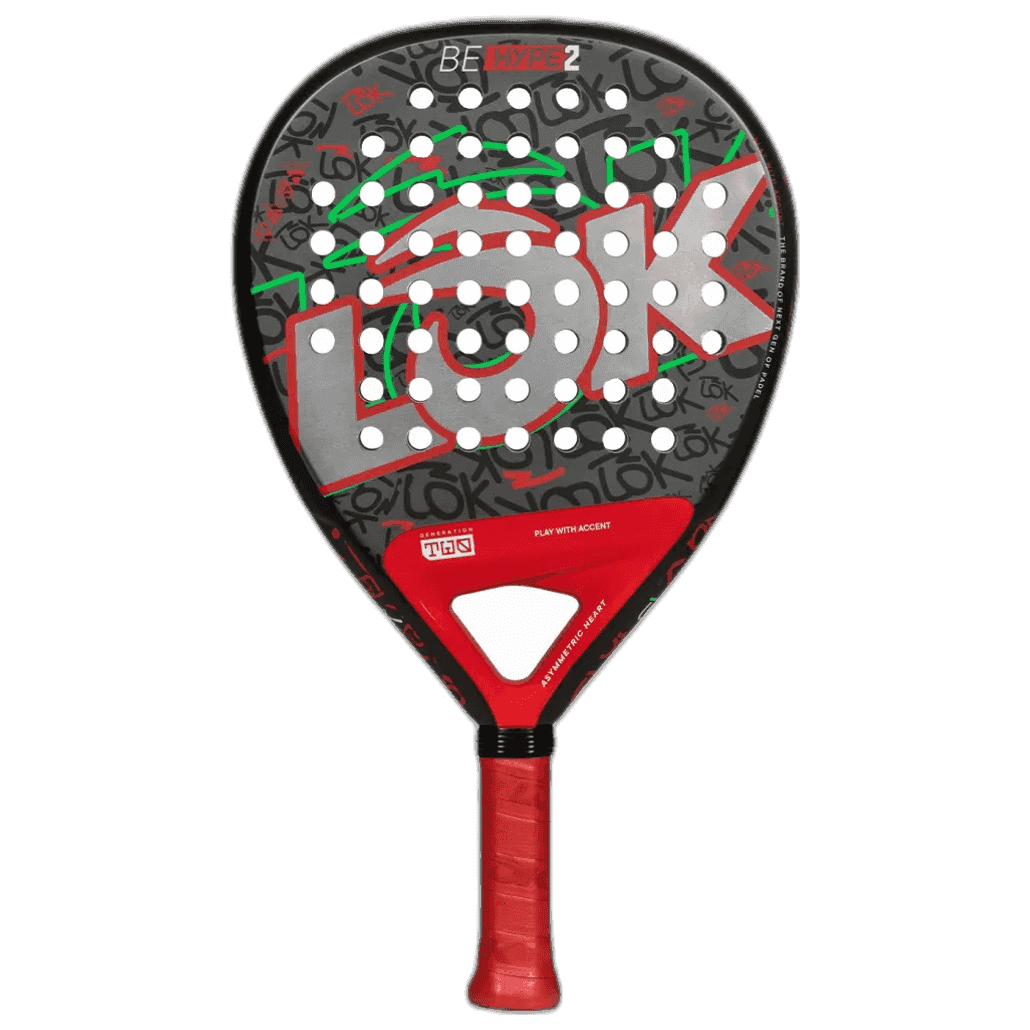
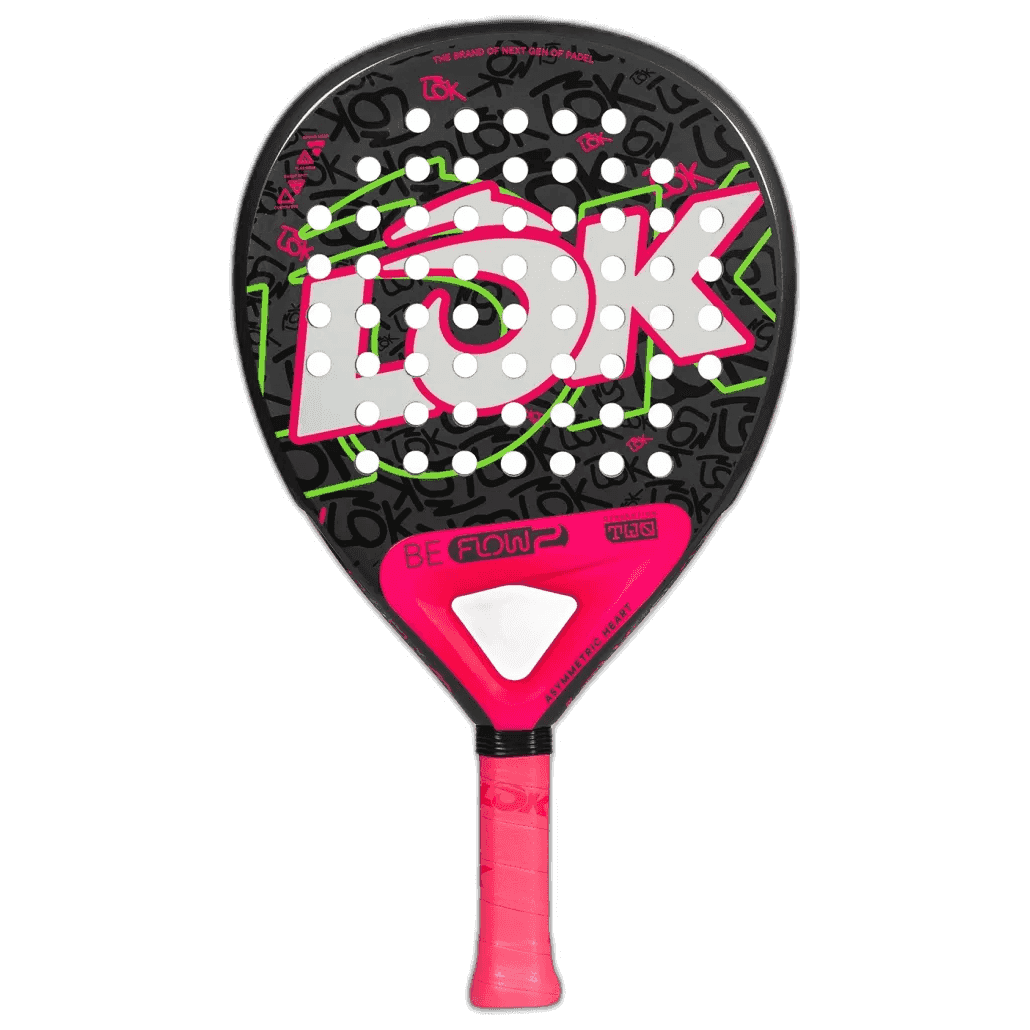
Lok Be Flow Gen 2 Pink-Green 2026
A soft, forgiving round racket with easy ball exit and calm handling from the baseline, though it leaves some finish on the table.
Our Take
Shape
Round
Weight
360 - 375 gr
Touch
Medium-Soft
Core
EVA
Faces
Fiberglass
Frame
Fiberglass
What we like
- Forgiving round sweet spot
- Easy ball output under pressure
- Comfortable *bandeja* and volleys
What we don't
- Limited smash finishing power
- Less bite on aggressive shots
- Soft feel can feel muted



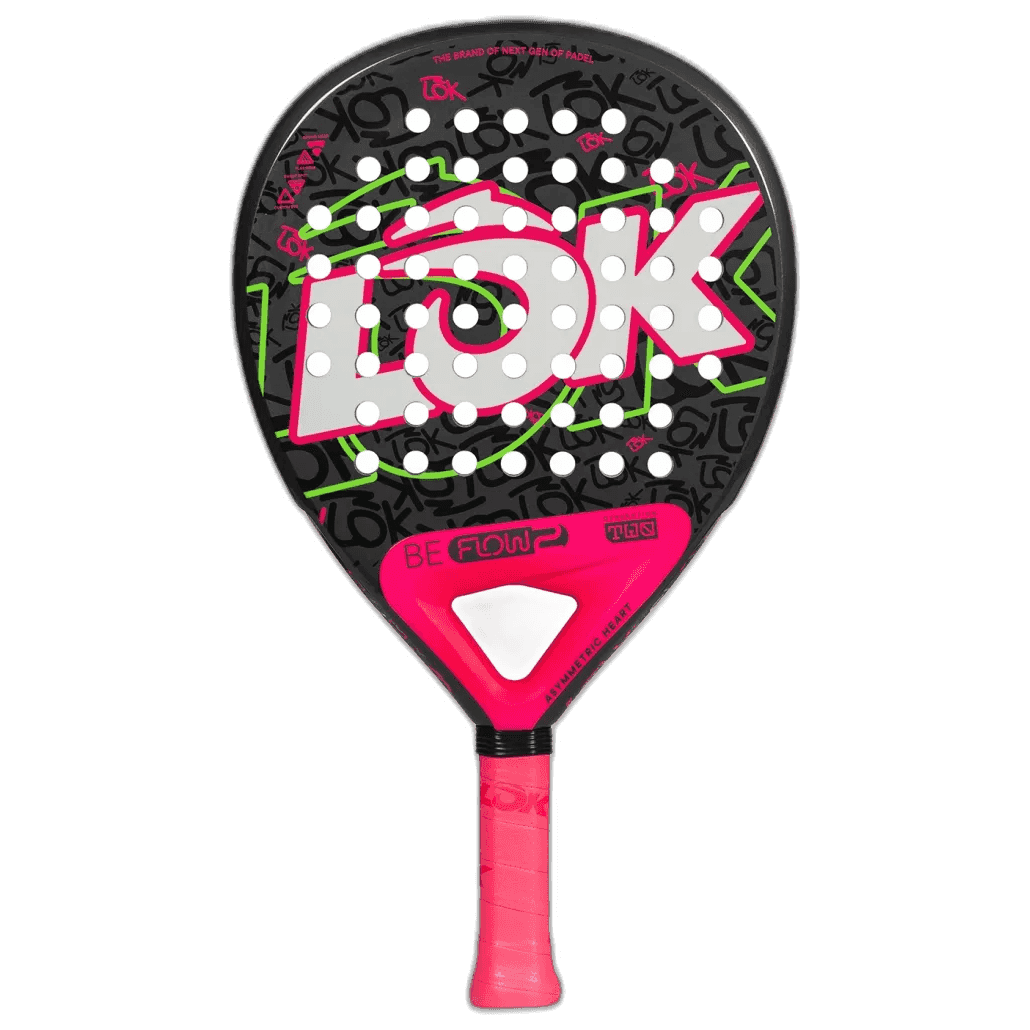
Lok Be Flow Gen 2 Pink-Green 2026 is a comfortable, easygoing round racket that leans hard into control and ball output rather than brute force. In my hands, it feels like a racket that helps you stay in rallies, absorb pace, and keep the point alive without asking for much drama.
The identity is clear from the first few balls: round shape, fiberglass on the faces and frame, and a medium-soft touch that makes it friendly from the back of the court. It’s not trying to be a hammer. It’s trying to be reliable.
Technical analysis
Shape & balance
The round mold gives this Lok a centered feel and a sweet spot that is easier to find than on more attack-minded shapes. That matters because the racket rewards clean contact less than it rewards simple, solid contact. It feels stable enough on defensive work, and the balance doesn’t push it into a head-heavy, demanding category.
I also like how maneuverable it is on quick exchanges. It’s not lightning-fast, but it never feels clumsy. That makes it easy to handle when the point speeds up and you need to get the face in position quickly for a block or a controlled volley.
Materials & construction
The use of fiberglass in both the frame and faces keeps the feel soft and accessible. Add the EVA core and you get a racket with strong rebound and a forgiving response. Ball exit is one of its best traits. The racket sends the ball back with little effort, which helps a lot when you’re under pressure.
What you don’t get is the crisp, loaded feedback of a carbon-faced racket. The tradeoff is obvious: less punch at the top end, less bite on very aggressive shots, and a softer sensation that can feel a bit muted if you like a firmer response.
On-court feel
Baseline play
From the baseline, this racket is very kind. Defensive lobs come out with help, blocks sit nicely, and extended rallies feel manageable because the racket does some of the work for you. That forgiving nature makes awkward balls easier to handle, especially when you’re late or out of position.
I’d call it a good companion for survival tennis. It gives you time, it gives you height, and it gives you control without punishing you for not swinging big. The downside is that it doesn’t reward flat-out acceleration with much extra violence. You can press, but it won’t suddenly turn into an attacking racket.
At the net
At the net, the feel stays stable and fairly controlled. Volleys have enough firmness to keep the ball honest, and I found it easy to place the ball without overhitting. The racket also behaves well on touch shots, which helps when you want to change pace or play a soft drop shot after a faster exchange.
Bandeja and víbora
This is probably where the racket fits best above shoulder height. The bandeja feels natural, with enough comfort to repeat it for long stretches, and the víbora comes off with decent control and a clean trajectory. It’s not a cannon, but it doesn’t need to be one to do these jobs well.
Smash
The weak point shows up here. If your game depends on finishing with heavy smashes, this racket will ask for more technique and more patience. It can produce a solid smash when the contact is right, but it doesn’t have the final gear of a more attack-oriented carbon racket.
Conclusion
I see this as a racket for players who value comfort, easy ball output, and a forgiving feel over pure finishing power. If your game is built on defending well, building points, and using the net with control rather than force, it makes a lot of sense.
The tradeoff is clear. You give up some punch on the smash and some sharpness in very aggressive overhead play. In return, you get a racket that is easy to live with, easy on the arm, and very usable in long rallies.
What other reviewers say
- Padelvoen
The racket is described as very comfortable and forgiving from the baseline, with strong ball output and a soft touch that helps on blocks, defense, and extended rallies. The tradeoff is that top-end finishing power trails more attack-oriented rackets.
- PadelReviewes
The review highlights that it holds control well in defense and makes it easier to handle difficult balls, while at the net it feels firm on volleys and bandejas. Its weak spot is very aggressive finishing, where it is not the most powerful option.
Switch Intelligence
Be the first to share where you switched from.
Community reviews
Real feedback from players who used this racket.
Add your review
To submit your review, log in first. You can still read all approved community reviews below.
Add review