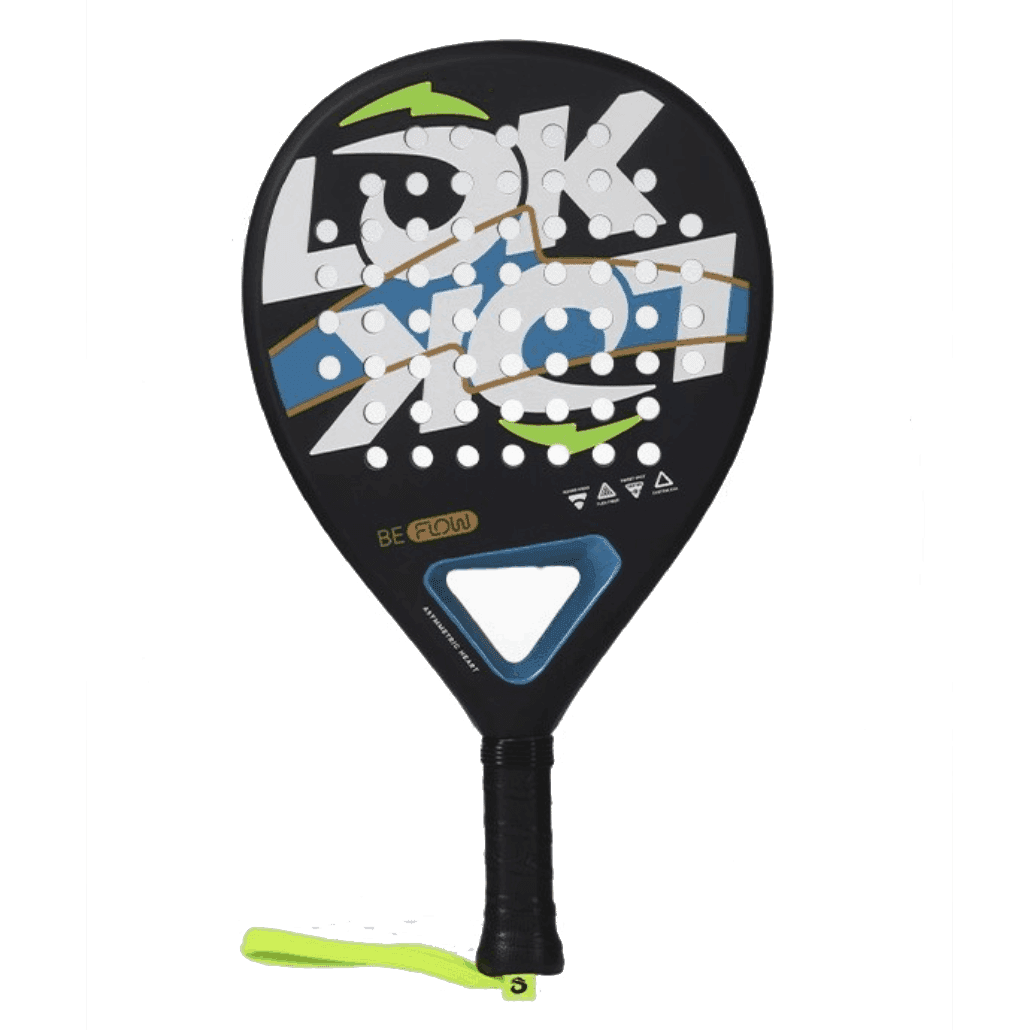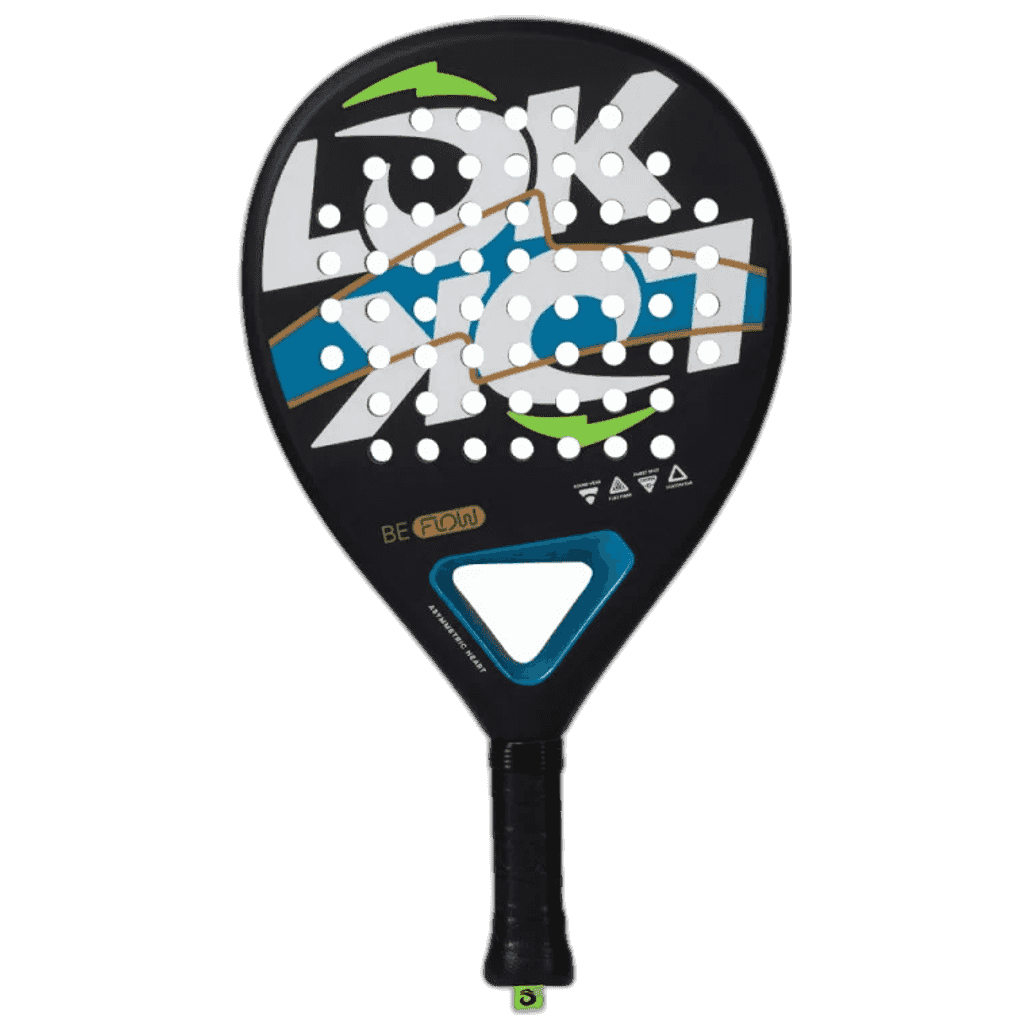
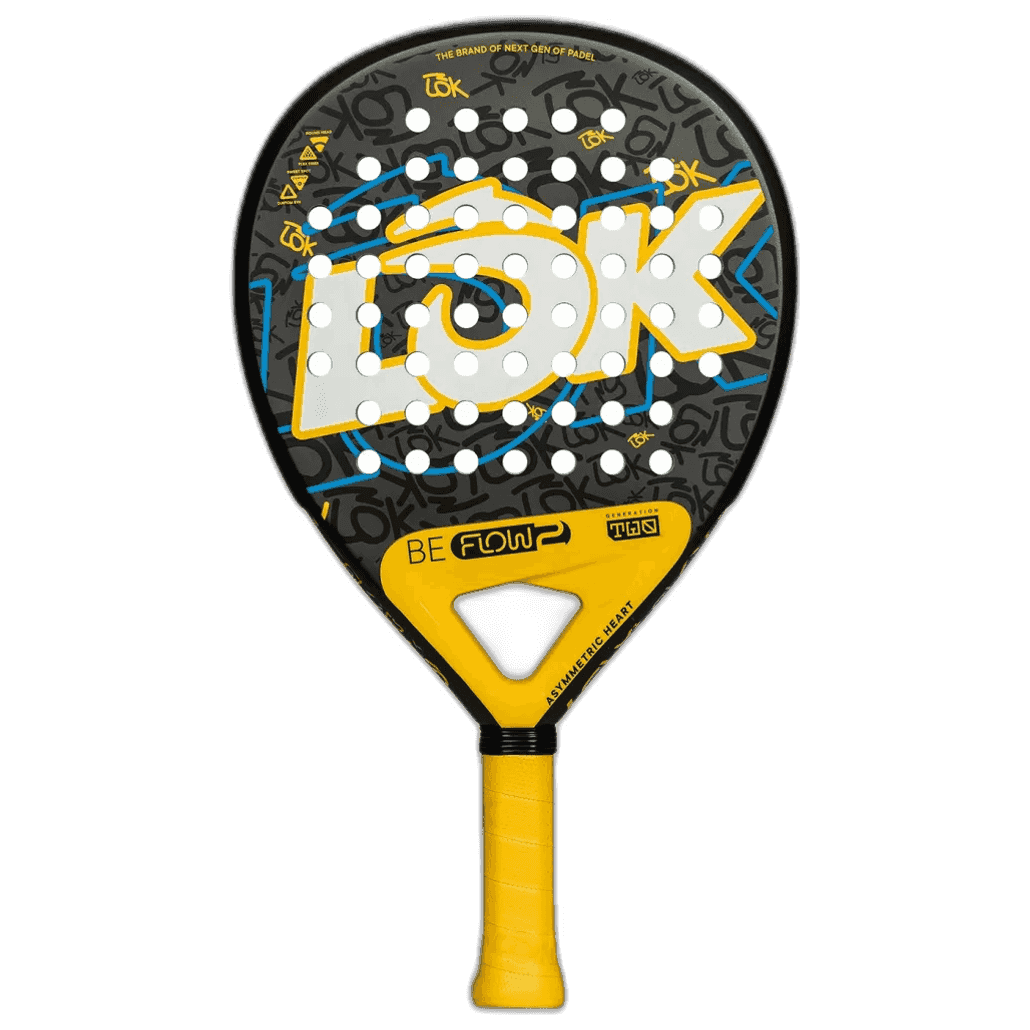
Lok Be Flow Gen 2 Yellow-Blue 2026
A round, easygoing racket with lively ball exit and a soft touch, giving beginners a forgiving response without feeling sluggish.
Our Take
Shape
Round
Weight
360 - 375 gr
Touch
Medium-Soft
Core
EVA
Faces
Fiberglass
Frame
Fiberglass
What we like
- Generous sweet spot
- Easy ball output
- Comfortable off-the-wall play
What we don't
- Little bite at net
- Muted, soft response
- Limited attacking punch



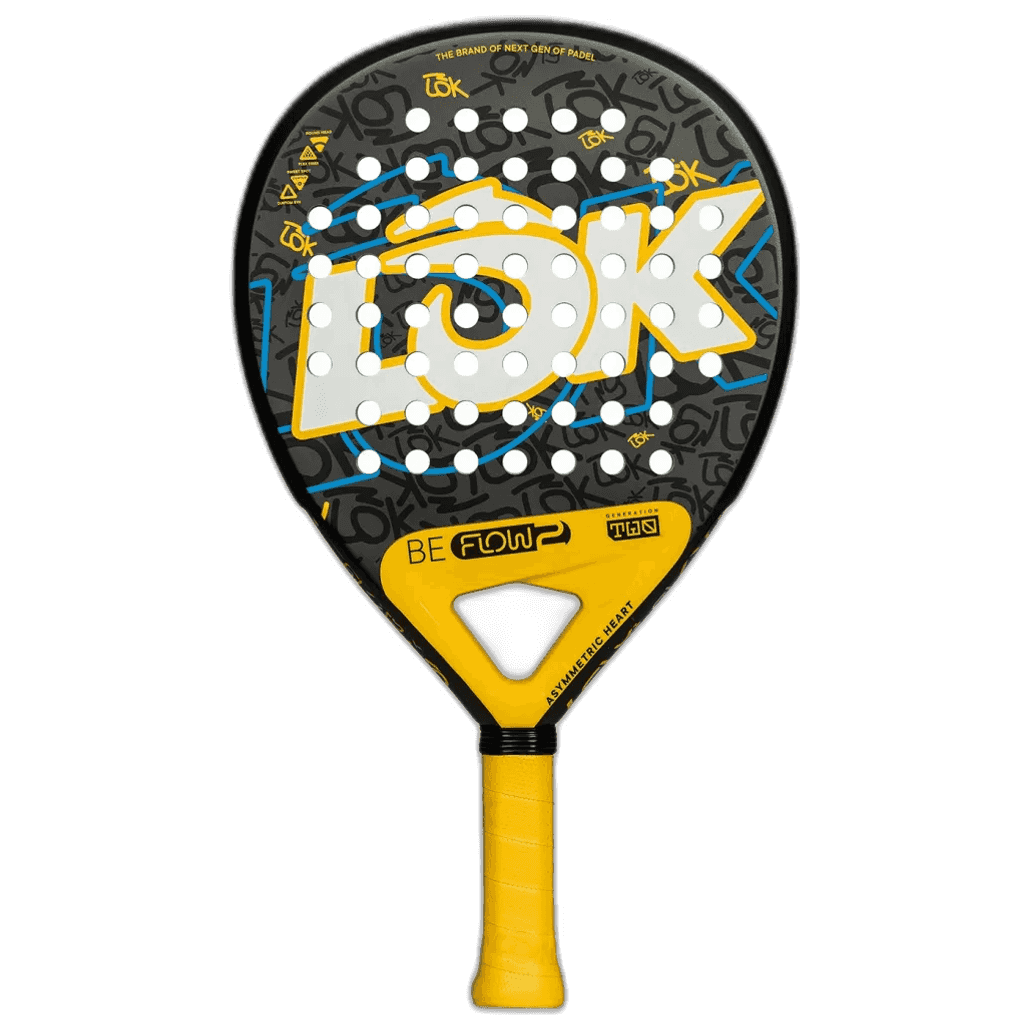
Lok Be Flow Gen 2 Yellow-Blue 2026 is a round racket with a calm personality and a very clear bias toward easy ball output. I’d place it in the camp of comfortable, accessible rackets rather than anything demanding or overly sharp.
The identity is simple: fiberglass on the frame and faces, a round mold, and a medium-soft feel. That combination gives it a friendly first impression, but it also comes with limits. It’s not trying to be a cannon. It wants to help you keep the ball moving with less effort.
Technical analysis
Shape & balance
The round shape is the first clue. The sweet spot feels generous, and the balance sits in a sensible place, so the racket never feels awkward in the hand. I found it easy to get into position quickly, especially on rushed exchanges or when I had to defend from low contact points.
That said, the shape also sets the ceiling. I don’t get the same loaded offensive presence you’d want from a more head-heavy, attack-minded frame. It’s more about stability and forgiveness than raw punch.
Materials & construction
The all-fiberglass build keeps the response soft and elastic. On contact, the ball leaves the racket with very little resistance, which is exactly why this model feels so easy to use. The EVA core adds a medium-soft touch that smooths out impact and keeps the feedback comfortable across the court.
What I don’t see here is a very crisp or explosive response. If you like a firmer connection to the ball, this will feel a bit muted. The upside is clear, though: the racket is easy on the arm, and it doesn’t punish imperfect timing.
On-court feel
Baseline play
From the baseline, this is a racket that helps you survive messy points. Defensive lobs come out with little effort, and blocks absorb pace without bouncing the ball too far back. The rebound is lively, so you don’t need to swing hard to send the ball deep.
I also liked it on off-the-wall play because the round shape and soft feel make the racket forgiving when contact isn’t clean. The downside is that it can feel a little vague if you try to drive the ball flat and fast from deep positions. It’s more about placement than heavy penetration.
At the net
Up front, it behaves in a very straightforward way. Volleys come off cleanly, with easy depth, and I never felt like I had to force the shot. That makes it pleasant in quick exchanges where you just want to keep the ball alive and keep pressure on.
What it doesn’t give you is much bite. If you want a racket that helps you take the net by force, this isn’t it. Touch is there, but the response stays on the soft side, so finishing points with authority takes more work.
Bandeja and víbora
This is probably the most natural zone for the racket. The easy rebound helps a lot on the bandeja, because you can guide the ball instead of hitting through it. The same softness also makes the víbora manageable for players who rely on placement and disguise more than raw acceleration.
Still, I wouldn’t call it sharp. Spin generation is decent, but the face does not grab the ball in a way that really bites. The result is controlled, comfortable overhead work rather than a dangerous attacking tool.
Conclusion
I see this as a good fit for players who want comfort, easy ball output, and a forgiving sweet spot. It suits weekly players who value control through simplicity and don’t want a racket that fights them during defense or slow buildup.
What you give up is clear: less firmness, less punch, and less authority when you try to speed up the point. If your game depends on aggressive net pressure or heavy overheads, you’ll probably want something more direct.
Switch Intelligence
Be the first to share where you switched from.
Community reviews
Real feedback from players who used this racket.
Add your review
To submit your review, log in first. You can still read all approved community reviews below.
Add review