

Pallap Power Pro HDR 2026
A hard-hitting diamond built for players who finish overhead, with enough composure to keep the point from unraveling at the baseline.
Our Take
Shape
Diamond
Weight
360 - 365 gr
Core
Powerlayer 45
Faces
15K Carbon CX
Frame
Kevlar + Carbon
What we like
- Heavy overhead ball through court
- Firm, stable volley response
- Penetrating *víbora* and *bandeja*
- Deep blocks against hard pace
What we don't
- Small sweet spot off-center
- Slow handling in hand battles
- Defensive lobs need commitment
- Late wall balls feel demanding
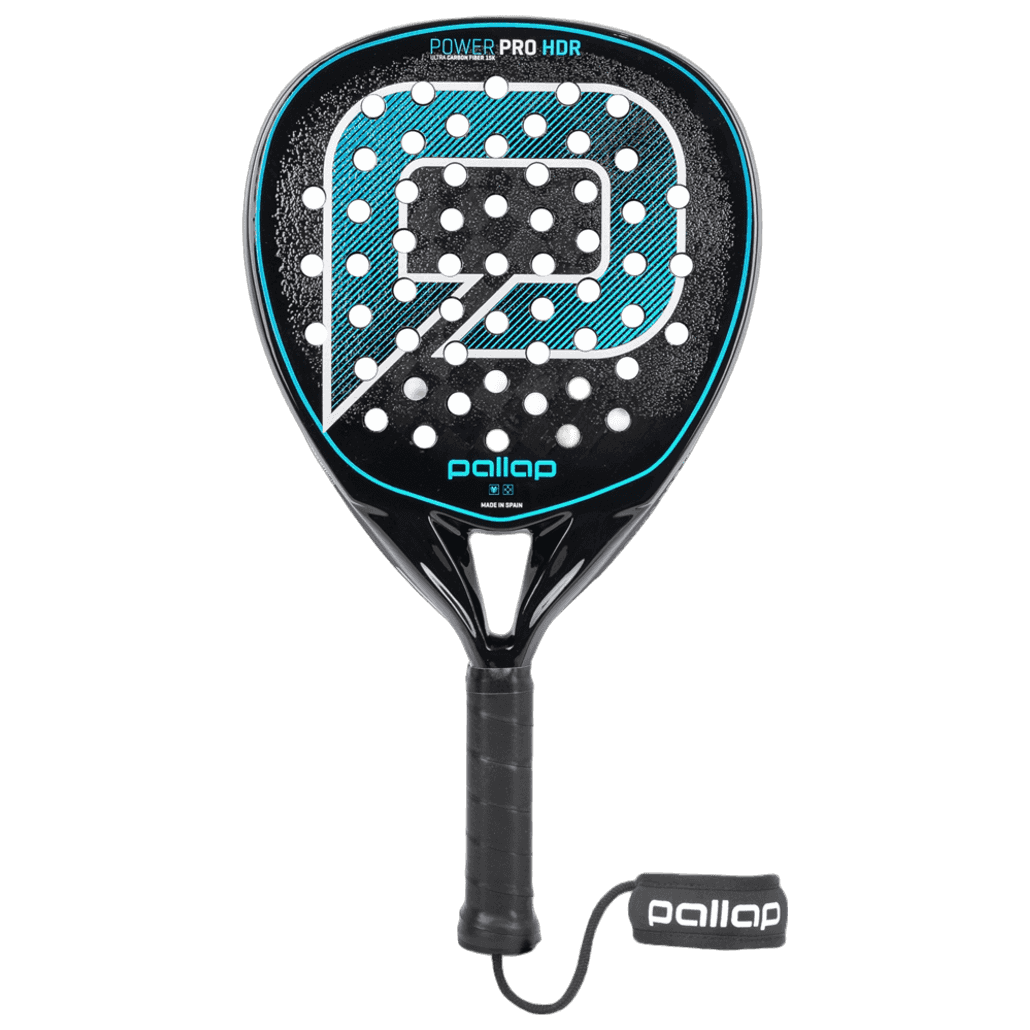
Pallap Power Pro HDR 2026 is a committed attacking racket. Its diamond shape, carbon-heavy construction, and power-focused core point toward players who want to take charge above the net rather than rely on an easy, forgiving response from the baseline.
I’d expect it to reward a full swing and clean contact. It is not built around effortless defense or quick hand exchanges.
The appeal is straightforward: firm contact, heavy ball through the court, and a racket that wants you to finish points instead of merely extending them.
Technical analysis
Shape & balance
The diamond profile puts the sweet spot higher in the face, and that shapes nearly every part of the experience. Contact feels most productive when I catch the ball out in front, particularly on overheads and attacking volleys. The racket should generate serious leverage through the top of the swing.
That same profile brings a trade-off. The sweet spot is unlikely to be generous, and off-center contact will be less kind than with a round or hybrid racket. Fast defensive blocks, rushed returns, and low balls near the feet demand clean preparation. It will not do much to hide late technique.
Materials & construction
The frame combines Kevlar + Carbon, while the faces use 15K Carbon CX. That is a clearly firm, stable build aimed at keeping the face from twisting when you hit with pace. On hard volleys and overhead contact, I’d expect a direct feel rather than a soft, cushioned response.
Inside, the Powerlayer 45 core supports that attacking identity. The response should be lively enough to help the ball leave the face with authority, but it will likely feel better when I actively compress the ball than when I simply absorb pace. Players who prefer a soft touch for defensive lobs and delicate drop shots may find it too insistent.
On-court feel
Baseline play
From the baseline, this is a racket I would use with intention. It should drive the ball well through off-the-wall play and give a low-driven lob enough pace to push opponents back. The stable face also helps when I want to block hard balls deep rather than just survive the exchange.
Still, maneuverability is not its strong suit. Recovering the racket quickly after a late wall rebound or changing direction at the last second may feel demanding. Defensive lobs need good timing and a committed lift; this is not the sort of racket that produces easy height from a compact, passive swing.
At the net
At the net, the Power Pro HDR should make more sense immediately. The firmer face and head-oriented profile favor penetrating volleys, especially when I contact the ball high and move forward through it. It should feel composed against pace rather than fluttery.
Quick exchanges are the limitation. In tight hand battles, the racket’s slower handling can make it harder to react with a short block or redirect a ball late. I would rather use it to impose a firm first volley than play a constant, rapid-fire countering game.
Bandeja and víbora
The higher contact zone should suit an aggressive bandeja and a more cutting víbora. There is enough structure here to accelerate through the ball without the face feeling unstable, which matters when I want depth and pressure rather than a safe float back to the baseline.
Technique matters, though. A lazy overhead will not get much help from this racket. It wants proper preparation, shoulder rotation, and clean contact.
Conclusion
I’d put the Power Pro HDR 2026 in the hands of an intermediate-advanced or advanced player who builds points to attack overhead and enjoys a firmer carbon response. Its strongest territory should be volleys, víboras, and finishing smashes.
The trade-off is clear: less forgiveness, less easy maneuverability, and more work in defense. If your game relies on soft touch, rapid reactions, and a broad sweet spot, this is probably too demanding.
Switch Intelligence
Be the first to share where you switched from.
Community reviews
Real feedback from players who used this racket.
Add your review
To submit your review, log in first. You can still read all approved community reviews below.
Add review


