

Tecnifibre Wall Master One 2023
A forgiving round racket with a generous sweet spot and easy exit, built to make defensive work and steady net play feel simpler.
Our Take
Shape
Round
Core
Solid EVA foam
Faces
Fiberglass and graphite
What we like
- Huge sweet spot on defense
- Easy ball exit from baseline
- Controlled bandeja depth with comfort
What we don't
- Limited bite for heavy spin
- Modest smash finishing power
- Slower in rapid net exchanges
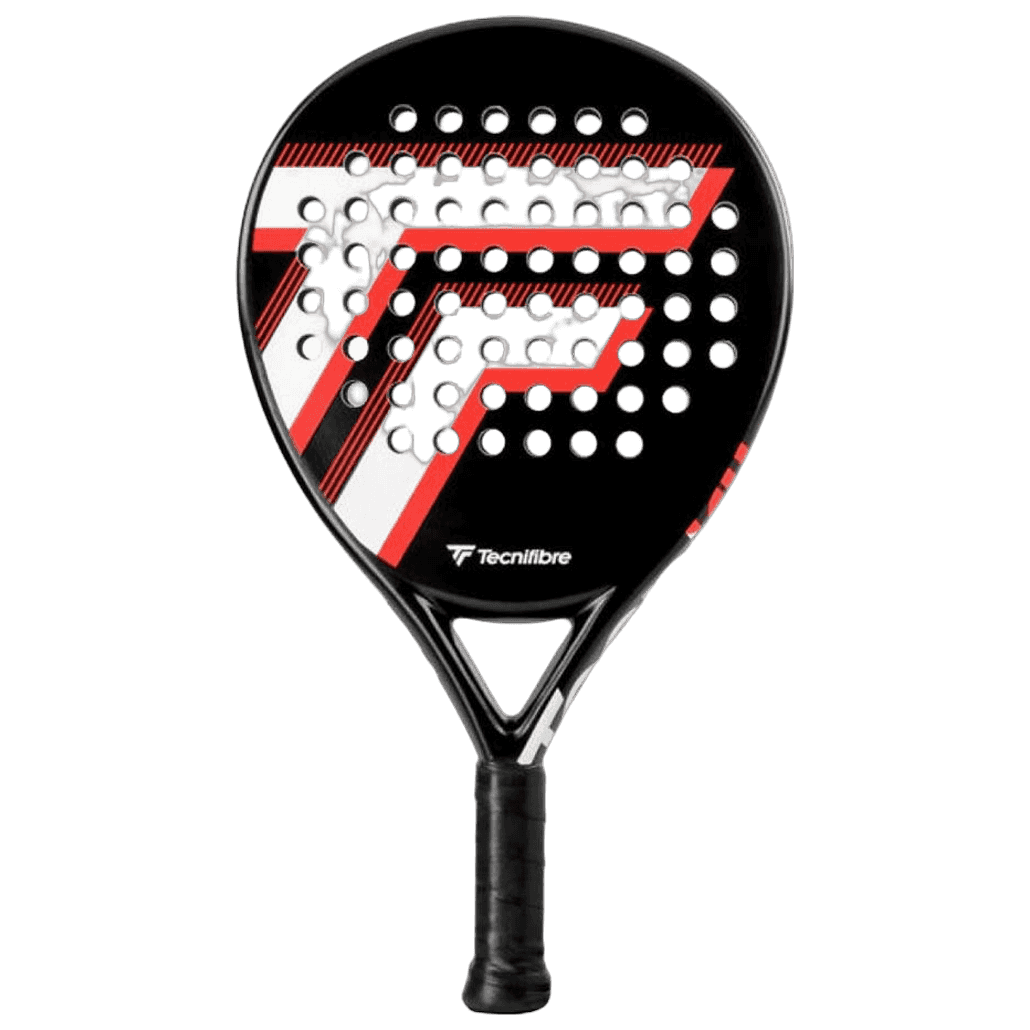
The Tecnifibre Wall Master One 2023 is a forgiving round racket built around easy depth, comfort, and a huge margin for error. I see it as a confidence racket: it helps more from the baseline than it rewards all-out finishing at the net.
Its character is soft and accessible rather than sharp or explosive. Players still building consistency will get more from it than players who rely on heavy spin, fast hands, and a punishing smash.
Technical analysis
Shape & balance
The round shape puts a very broad sweet spot in the center of the face. That is the main reason this racket feels so cooperative on imperfect contact. On defensive blocks, wall exits, and lobs struck slightly late, it keeps the ball moving without sending a harsh vibration into the hand.
The balance feels manageable for a racket with this much surface assistance, although it is not especially quick through rapid exchanges. In practice, I would expect a little anticipation at the net: it is stable enough on a prepared volley, but it does not feel head-light or particularly snappy when the point speeds up.
Materials & construction
Tecnifibre uses fiberglass and graphite on the faces, paired with a Solid EVA foam core. That construction explains the racket’s flexible, forgiving response. The ball stays on the face for a moment, the contact feels comfortable, and the racket supplies useful ball exit without needing a full swing.
The trade-off is a smoother, less aggressive response. There is not much bite on the face, so generating heavy spin on a víbora or carving a very loaded drop shot takes more work from the player. It also lacks the crisp, direct sensation that stronger hitters often want when accelerating through the ball.
On-court feel
Baseline play
From the baseline, this is where the Wall Master One makes most sense to me. It helps on defensive lobs, especially when I am under pressure and cannot fully set my feet. The generous sweet spot also makes off-the-wall play less stressful; the racket gives the ball enough lift and output to recover depth after a late contact.
That easy response should suit newer and intermediate players well, but it can be slightly too lively for someone with very refined touch. On a short ball or a low-driven lob, I would need softer hands to avoid leaving the ball sitting up.
At the net
Volleys come off comfortably, particularly simple blocking volleys where I want to redirect pace rather than force the point. The racket is stable enough once it is in position, and the forgiving face helps when contact lands outside the center.
Quick hand battles are less convincing. It does not cut through the air like a more head-light control racket, and repeated fast volleys can feel demanding over a long match. I would not choose it primarily for aggressive net players who want to take every ball early.
Bandeja and víbora
The softer response works well for a controlled bandeja. I can send the ball deep with a compact motion and keep good margin over the net. It is a useful racket for learning to place overheads rather than trying to hit through them.
The víbora is less natural. The face does not offer much surface grip, so the shot comes out flatter and with less side-spin than I would want for a truly damaging version.
Conclusion
I would point weekly players toward the Wall Master One if they value comfort, easy ball exit, and forgiveness above outright attack. It is especially convincing for players improving their defense, lobs, wall shots, and controlled overheads.
The compromise is clear: limited spin, modest finishing power, and less agility in frantic net exchanges. A player who wins points through a heavy smash or aggressive víbora will likely outgrow it.
What other reviewers say
- PadelTestLabes
The review finds it highly forgiving and comfortable for beginners: its broad sweet spot and easy ball output help particularly on defense, lobs, wall shots, and bandejas. In return, the smooth, flexible face limits spin and finishing power, while the 370 g weight demands anticipation in quick volleys and may become tiring over long matches.
Switch Intelligence
Be the first to share where you switched from.
Community reviews
Real feedback from players who used this racket.
Add your review
To submit your review, log in first. You can still read all approved community reviews below.
Add review


